Yoghurt instead of chicken feet!
Schule und Kindergarten
Homemade Campus yoghurt helps to combat calcium deficiency.
We have previously reported on the challenges caused by malnutrition in rural Cambodia. Most often, this refers to general malnutrition, where children simply do not receive enough calories and nutrients, causing them to fall behind their peers physically and mentally.
Deficiencies in the supply of micronutrients are no less problematic. In these cases, children may consume enough food overall, but lack essential vitamins and minerals such as iron, iodine — and increasingly, calcium.
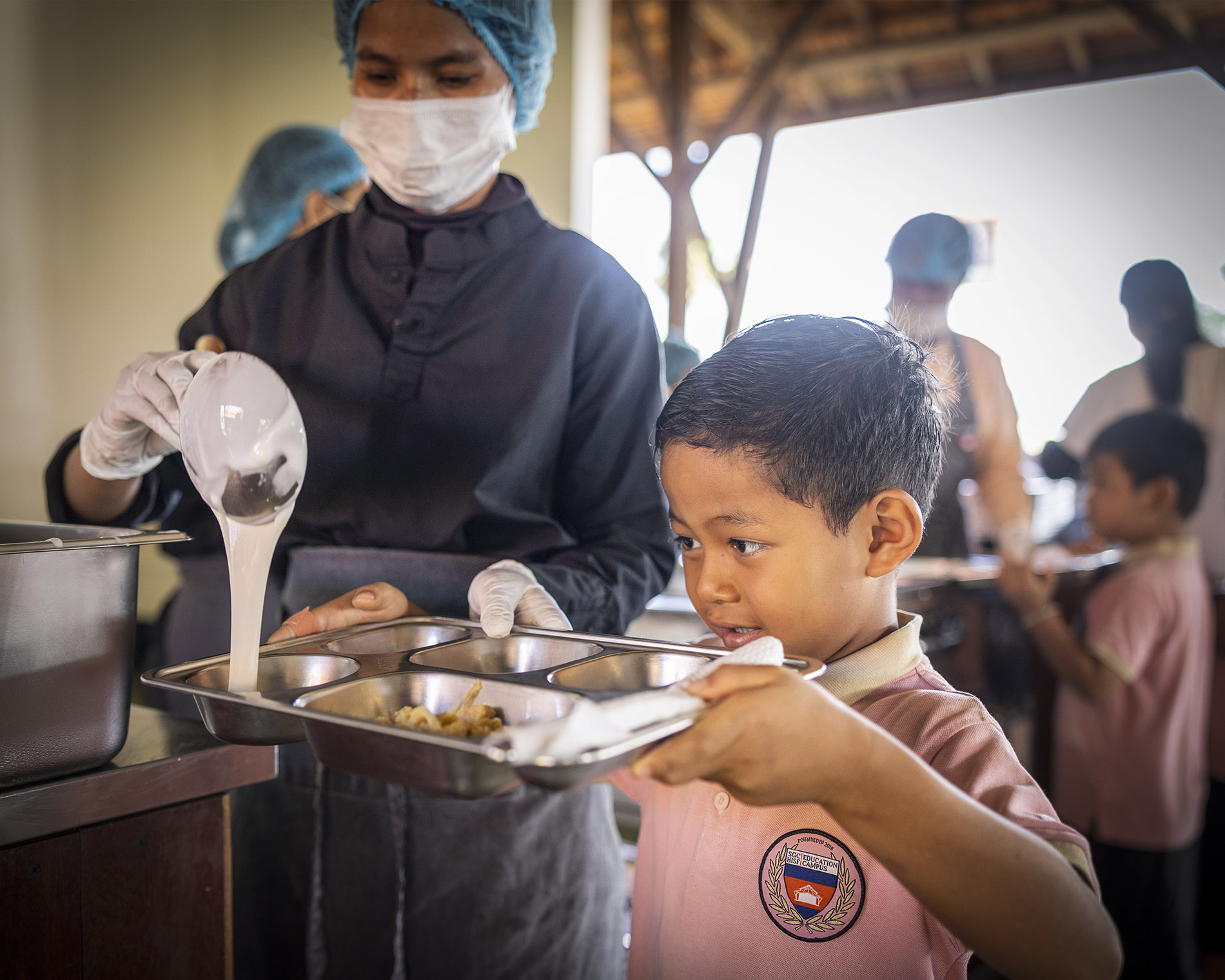
On our campus, calcium deficiency has become a growing concern. Children often missed school. The team saw they had frequent infections and were breaking bones more often than expected. We focused on diet as a cause and analyzed the school meals in detail. We weighed all ingredients, calculated portions per child, and measured food waste. This showed what children actually ate.
We found that calcium intake was insufficient to support healthy bone development. Traditional Cambodian diets once provided natural sources of calcium through foods such as chicken feet, small fish bones, and fermented products, but these are now consumed less frequently.
Today, however, eating habits are changing rapidly, and highly processed foods are becoming more common, even in rural areas. While these foods are never served in our school canteen, we unfortunately cannot look after our children’s diets 24/7.
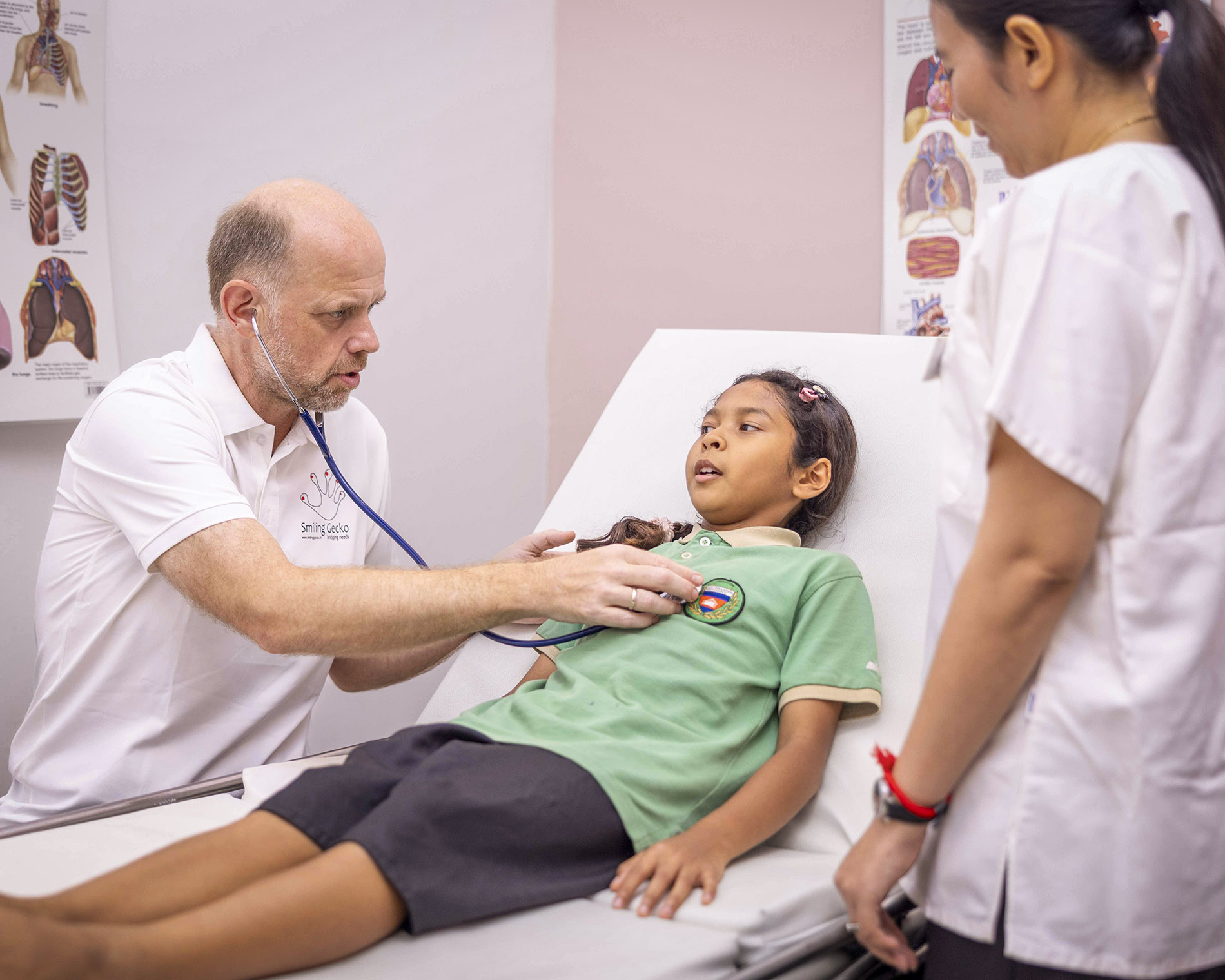
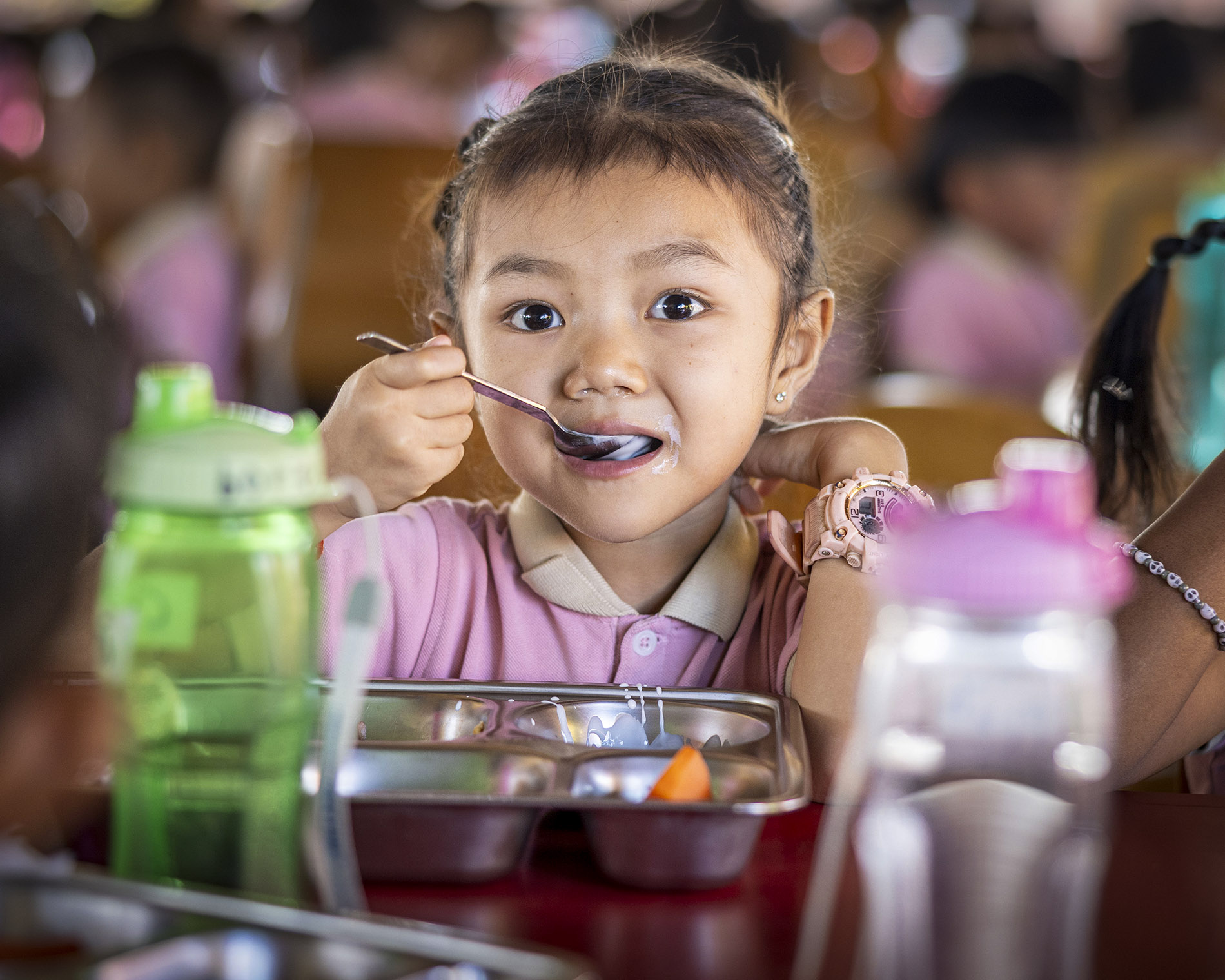
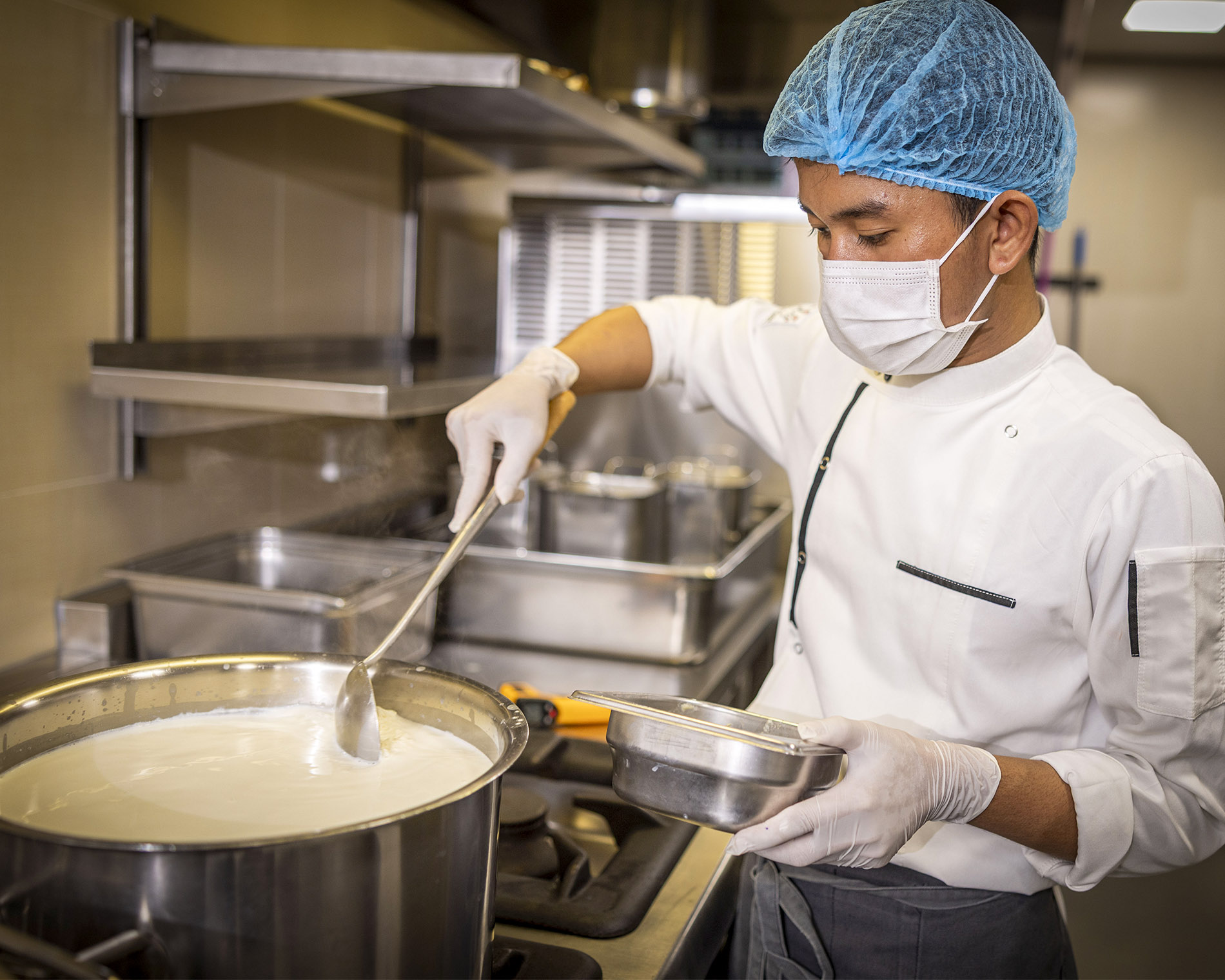
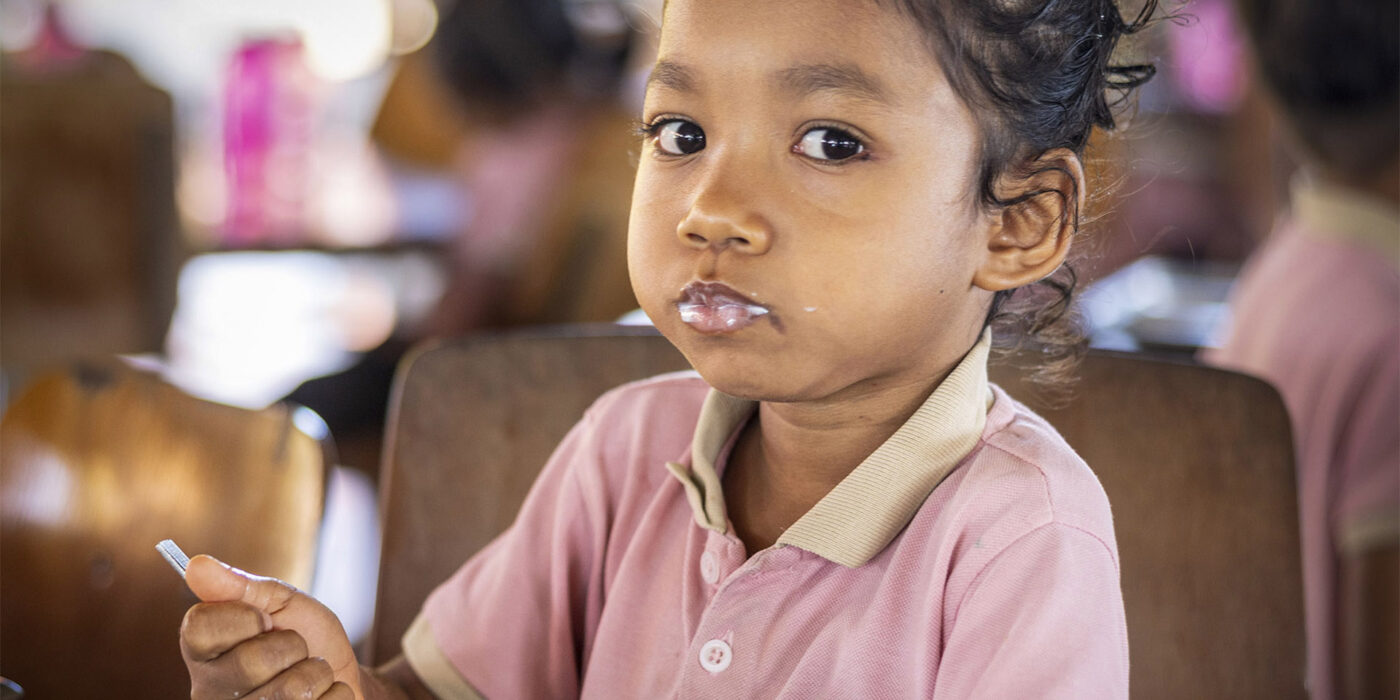
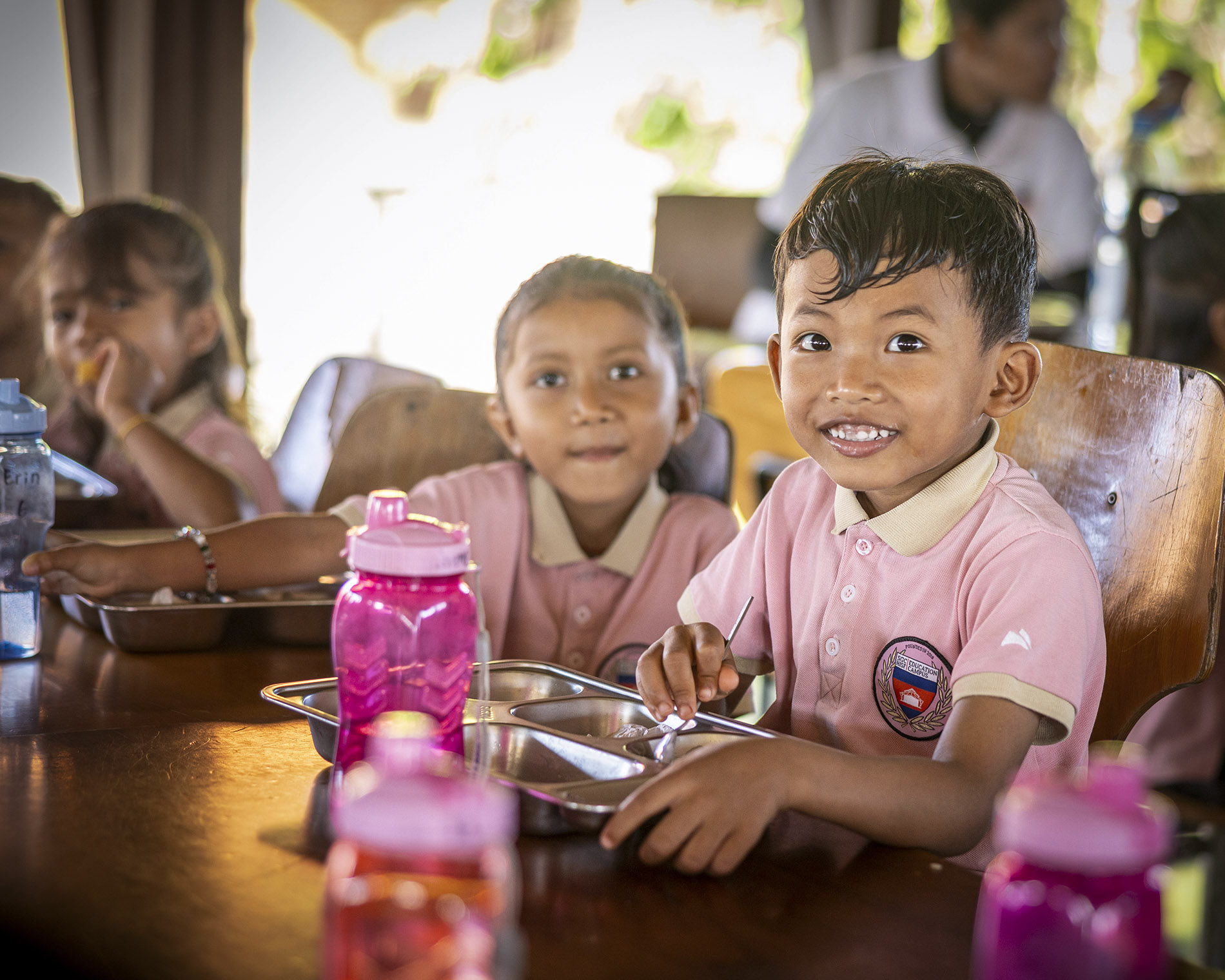
Thanks to an initial generous donation our children have been receiving homemade sugar-free yoghurt every school day for the past five months as an additional source of calcium and nutrients.
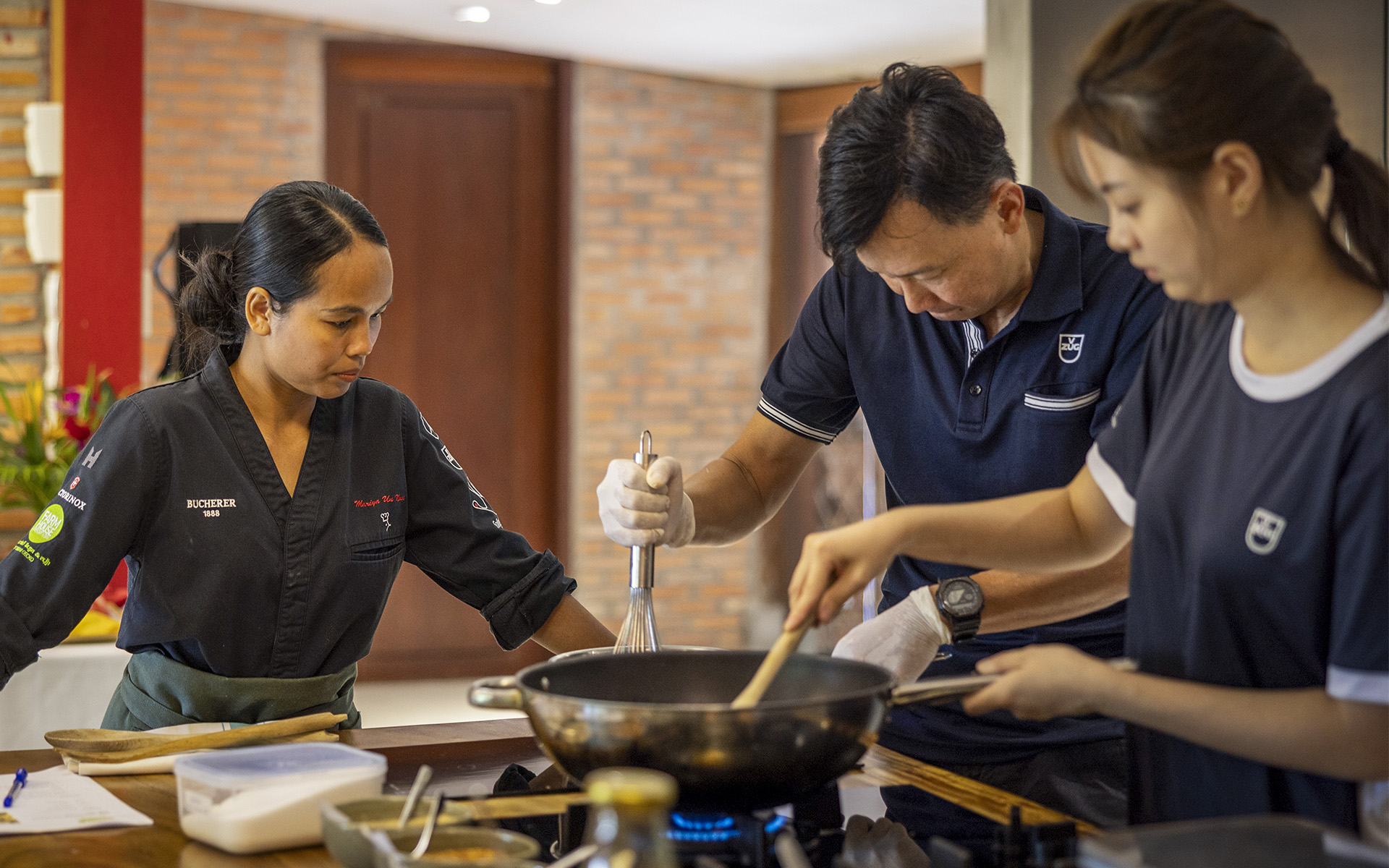
Because dairy products are not traditionally part of the Cambodian diet, they are difficult and expensive to source locally. We are therefore especially pleased that we can produce the yoghurt ourselves in our campus kitchen.
Making yogurt ourselves had another benefit. Making it on-site eliminated plastic waste. We do not use any plastic yoghurt containers or buy them. Using locally sourced milk reduces transport. This limits waste and supports a cleaner school environment.
At present, this nutritional supplement costs around 25 US cents (approximately CHF 0.2) per child per school day. A small amount for a clear improvement in our children’s health, but across an entire year and for all our students, the total still exceeds USD 35,000.
Good health, after all, comes at a price in Cambodia too.